Your shopping cart
😊 Product added to cart successfully
Product removed to cart successfully

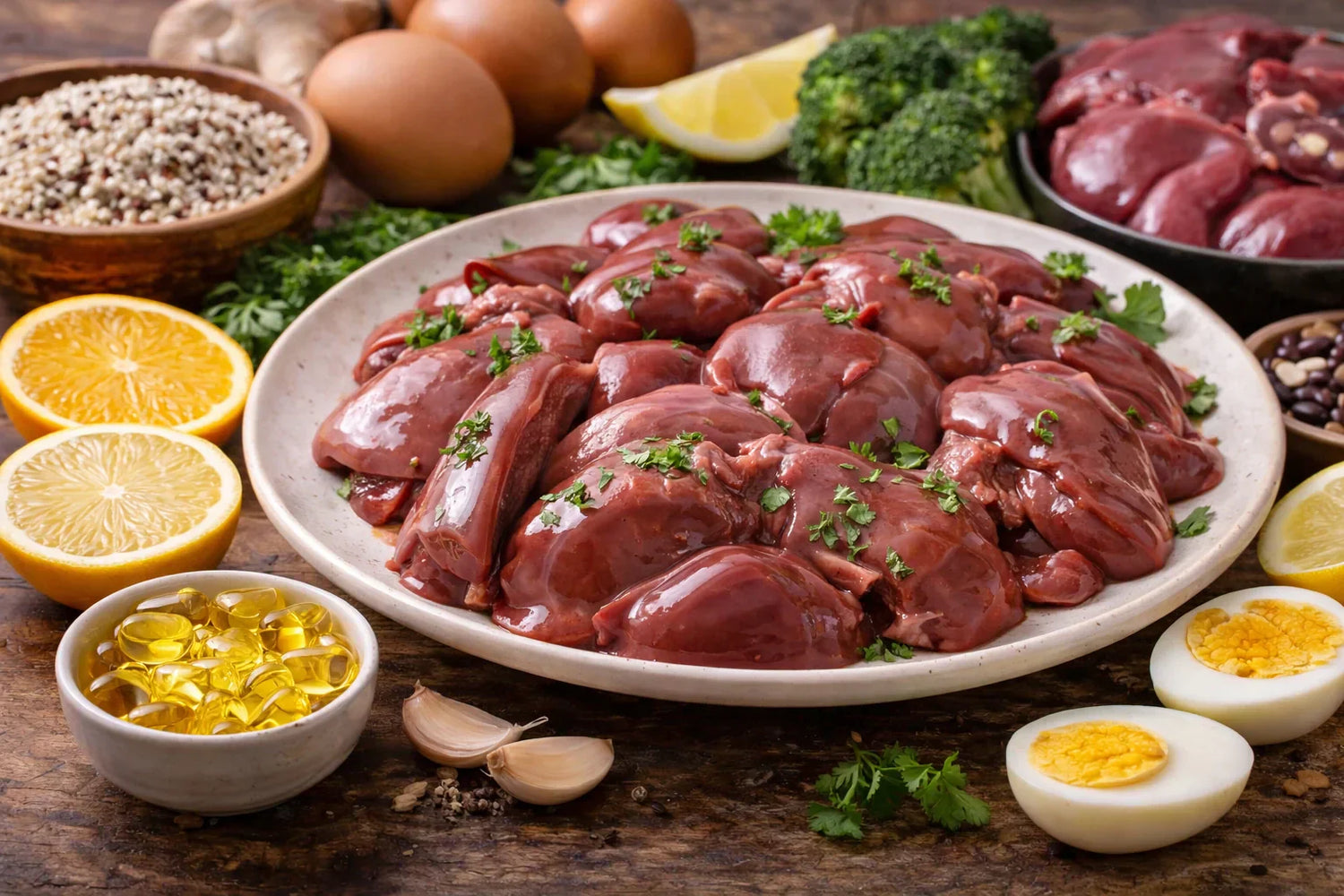
In the world of culinary delights, chicken liver is often polarizing. You either love a spicy Kaleji Fry with hot rotis, or you avoid it completely due to its texture. However, our ancestors valued organ meats far more than muscle meat. They understood instinctively what modern science has now confirmed. Chicken liver is one of the most nutrient-dense foods on the planet.
Often referred to as "nature's multivitamin," this humble organ packs more nutrients gram for gram than almost any fruit or vegetable. Yet, in our quest for lean chicken breast, we often overlook this powerhouse.
Understanding chicken liver nutrition can transform your diet. It offers a solution to fatigue, anemia, and nutrient deficiencies that are common in India. But because it is so potent, there are rules to eating it safely.
The short answer is yes. In fact, asking " is chicken liver healthy " is an understatement. It is exceptionally healthy.
While chicken breast is famous for being a lean protein source, chicken liver is a superfood. It provides massive amounts of vitamins and minerals that your body struggles to get elsewhere. It is particularly rich in Iron, Vitamin A, B12, and Folate.
For people suffering from low energy or anemia, liver is not just food. It is medicine.
To understand why this food is so powerful, let us look at the numbers. A single 100-gram serving of cooked chicken liver provides a nutritional profile that puts expensive supplements to shame.
The Macronutrients:
Chicken Liver Calories: Approximately 167 kcal. This makes it a relatively low-calorie food compared to fatty cuts of red meat.
Chicken Liver Protein: ~24.5 grams. It is an incredible source of high-quality protein containing all essential amino acids.
Fat: ~6.5 grams. While it has more fat than breast meat, much of this is healthy monounsaturated fat.
The Micronutrients (The Real Magic):
Vitamin B12: Over 300% of your Daily Value (DV). This is critical for brain health and energy.
Vitamin A: Over 200% of your DV. Essential for vision and immune function.
Folate (B9): Vital for DNA repair and cell growth.
Iron: A highly absorbable form of heme iron that fights fatigue.
When you analyze chicken liver nutrition, you realize that a small portion gives you more vitamins than a huge salad.
Adding this organ meat to your diet can have profound effects on your health. Here are the key chicken liver benefits you should know.
1. Fights Anemia and Fatigue:
Iron deficiency is rampant in India, especially among women. The iron in plants (spinach) is hard to absorb. The iron in chicken liver is "heme iron," which your body absorbs easily. Including liver in your weekly diet is the fastest dietary way to boost hemoglobin levels.
2. Boosts Eye Health:
Liver is rich in retinol, the active form of Vitamin A. This nutrient is essential for good vision, particularly in low light. It also keeps your skin glowing and healthy.
3. Supports Brain Function:
The benefits of eating chicken liver extend to your mind. The massive dose of B12 helps protect your nerves and supports cognitive function. It can help clear "brain fog" and improve focus.
4. High Protein for Muscle Growth:
With nearly 25 grams of chicken liver protein per serving, it is an excellent post-workout meal. It provides the amino acids needed for muscle repair without the heavy feeling of red meat.
Because liver is so concentrated with nutrients, you cannot eat it like you eat chicken breast. There is such a thing as "too much of a good thing."
1. Vitamin A Toxicity:
Liver is so high in Vitamin A that eating it every day can lead to toxicity (Hypervitaminosis A). Symptoms include dizziness, nausea, and headaches. Your body stores Vitamin A, so you do not need to replenish it daily.
2. Cholesterol Concerns:
Chicken liver is high in dietary cholesterol. For most healthy people, dietary cholesterol has a minimal impact on blood cholesterol. However, if you are a "hyper-responder" or have specific heart conditions, you should consult your doctor before making it a regular habit.
3. Pregnancy:
Pregnant women are often advised to limit liver consumption. While Folate is good, excessive Vitamin A can potentially harm the developing baby. Always follow your doctor's advice.
Given the potency of chicken liver nutrition, moderation is the golden rule.
For most adults, eating chicken liver once a week is perfect. A serving size of about 100 grams is sufficient to top up your nutrient stores without risking toxicity. Treat it as a weekly "supplement" rather than a daily staple.
Many people dislike the metallic taste or grainy texture of liver. Here is how to fix that:
Soak in Milk: Soaking raw liver in milk or buttermilk for 30 minutes before cooking removes the bitterness and metallic taste.
Don't Overcook: Liver cooks very fast. Overcooking makes it rubbery and dry. It should still be slightly pink in the very center for the best texture.
Use Spices: Indian spices like cumin, coriander, and black pepper pair perfectly with liver, masking any strong odors.
When eating organ meats, quality is more important than ever. The liver is the body's filter. While it filters toxins, it does not necessarily store them, but a healthy bird produces a healthy liver.
If you are eating liver to improve your health, you must choose The Better Chicken (Nutri Feeds & Farms).
Why their liver is safer:
Chemical Free: The Better Chicken ensures their birds are raised without antibiotics or growth promoters. This means the liver you eat is free from chemical residues.
Freshness: Organ meats spoil faster than muscle meat. The Better Chicken provides fresh, chilled liver that is processed and delivered quickly. This ensures a cleaner taste and firm texture.
Hygienic Processing: In local markets, hygiene can be questionable. The Better Chicken is processed in bio-secure facilities, ensuring the meat is safe for your family.
Eating liver is a smart nutritional strategy. Eating clean, fresh liver is a health investment.
Order fresh Chicken Liver from The Better Chicken today and give your body the boost it deserves.